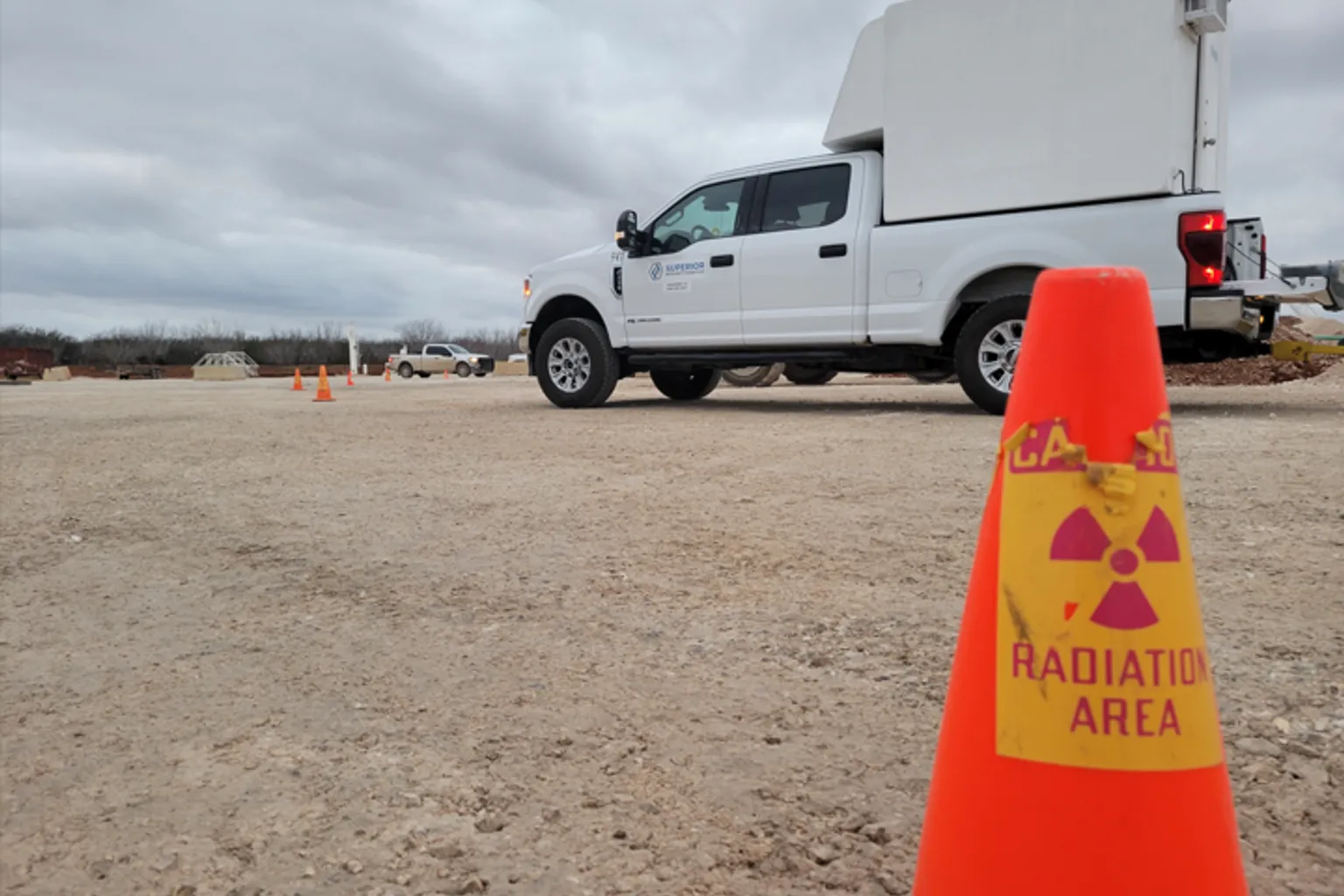
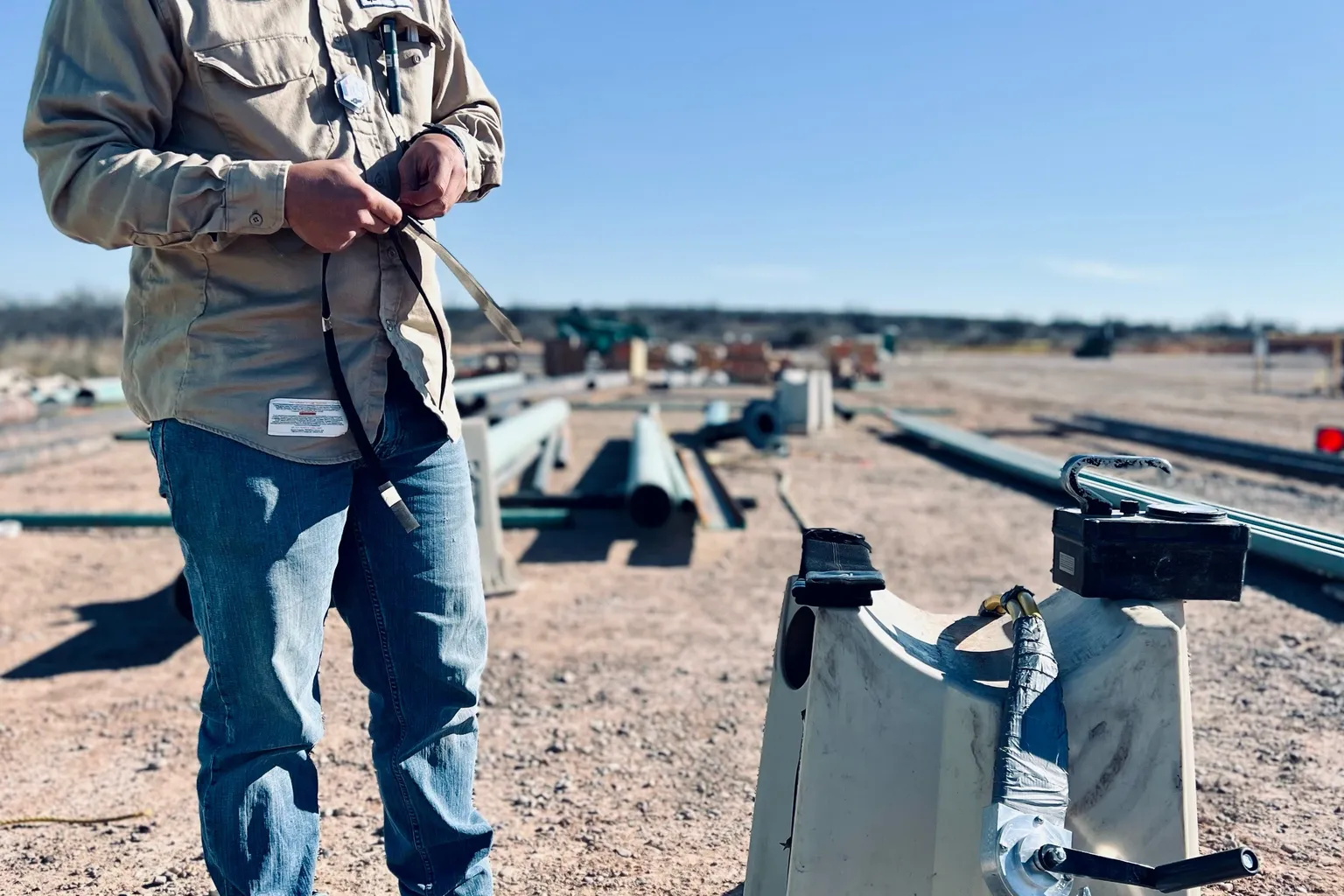
Radiographic Testing (RT)
- Conventional film RT
- Gamma and X-ray sources
- Mobile darkroom processing
- API 1104 and ASME Section V procedures
Conventional NDT is the foundation of SIS field and shop inspection. Our crews perform radiographic testing (film, CR, and DR), penetrant and magnetic particle examination, ultrasonic thickness testing, and visual testing with procedures your engineers and regulators expect.
Conventional NDT at Superior Integrity Services covers radiographic testing (film, CR, and DR), penetrant, magnetic particle, ultrasonic, and visual testing for welds and components in shop and field. Examinations follow written procedures aligned to API 1104 and ASME Section V, performed by ASNT SNT-TC-1A certified technicians working from 8 offices across TX, NM, OK, and ND.
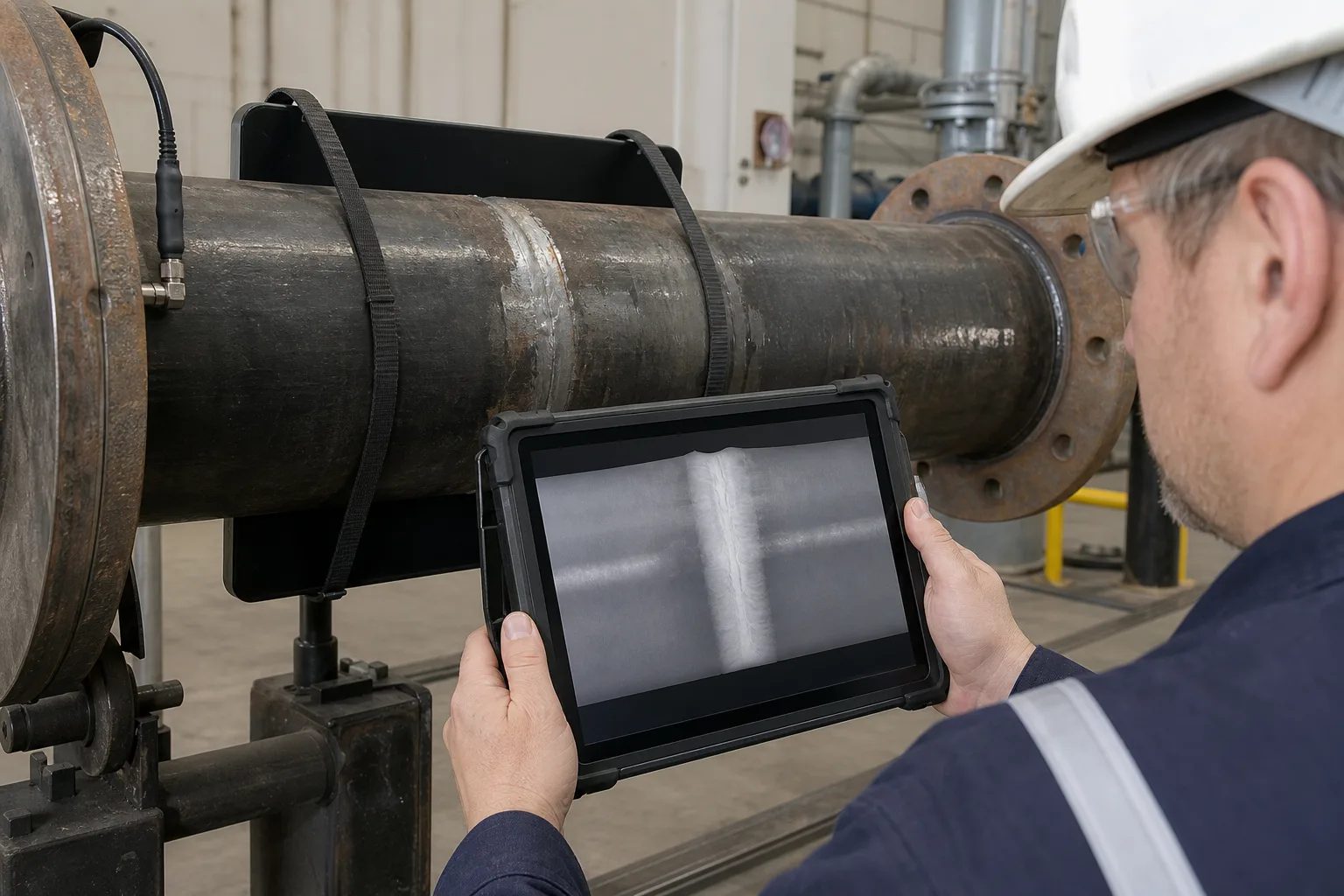
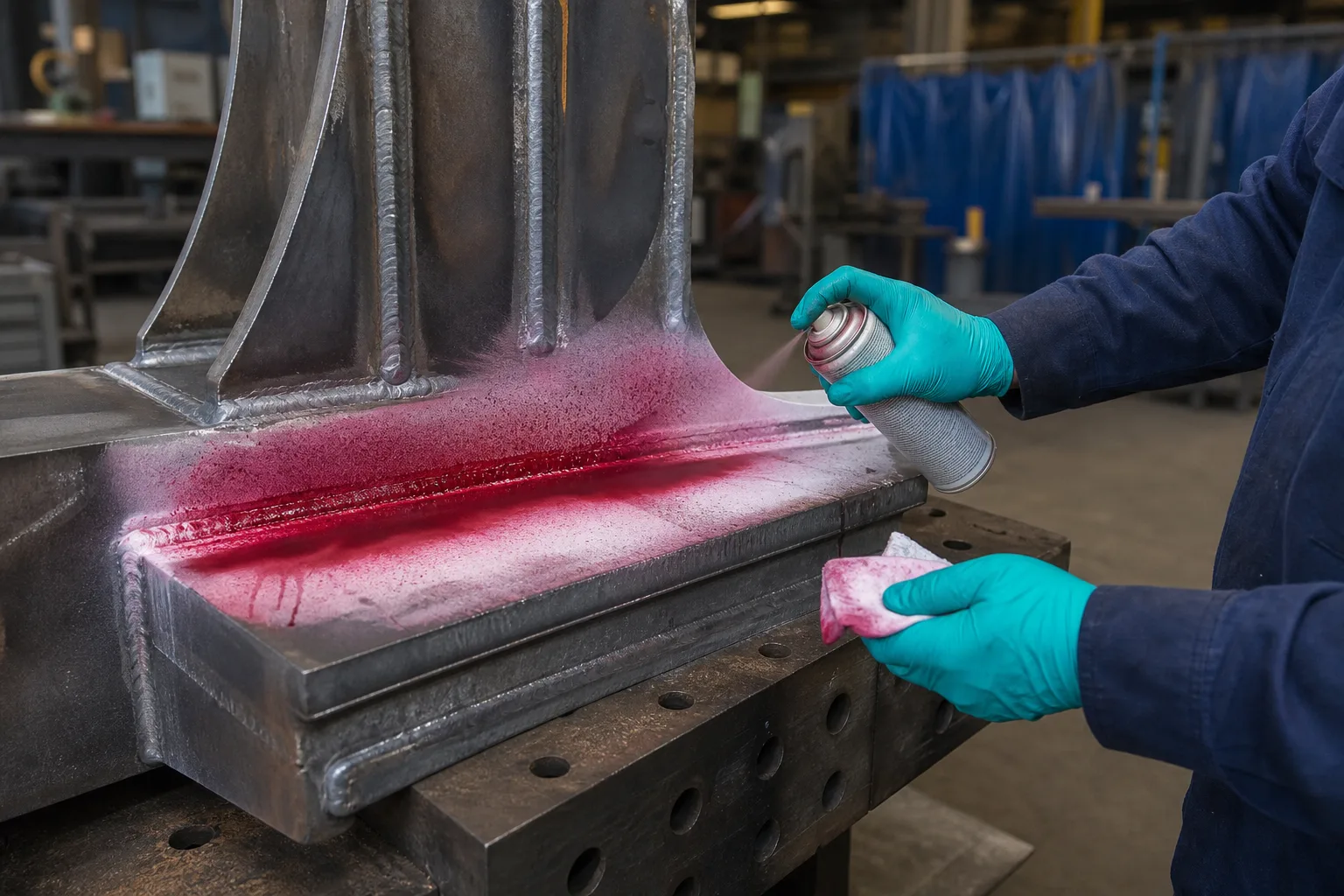
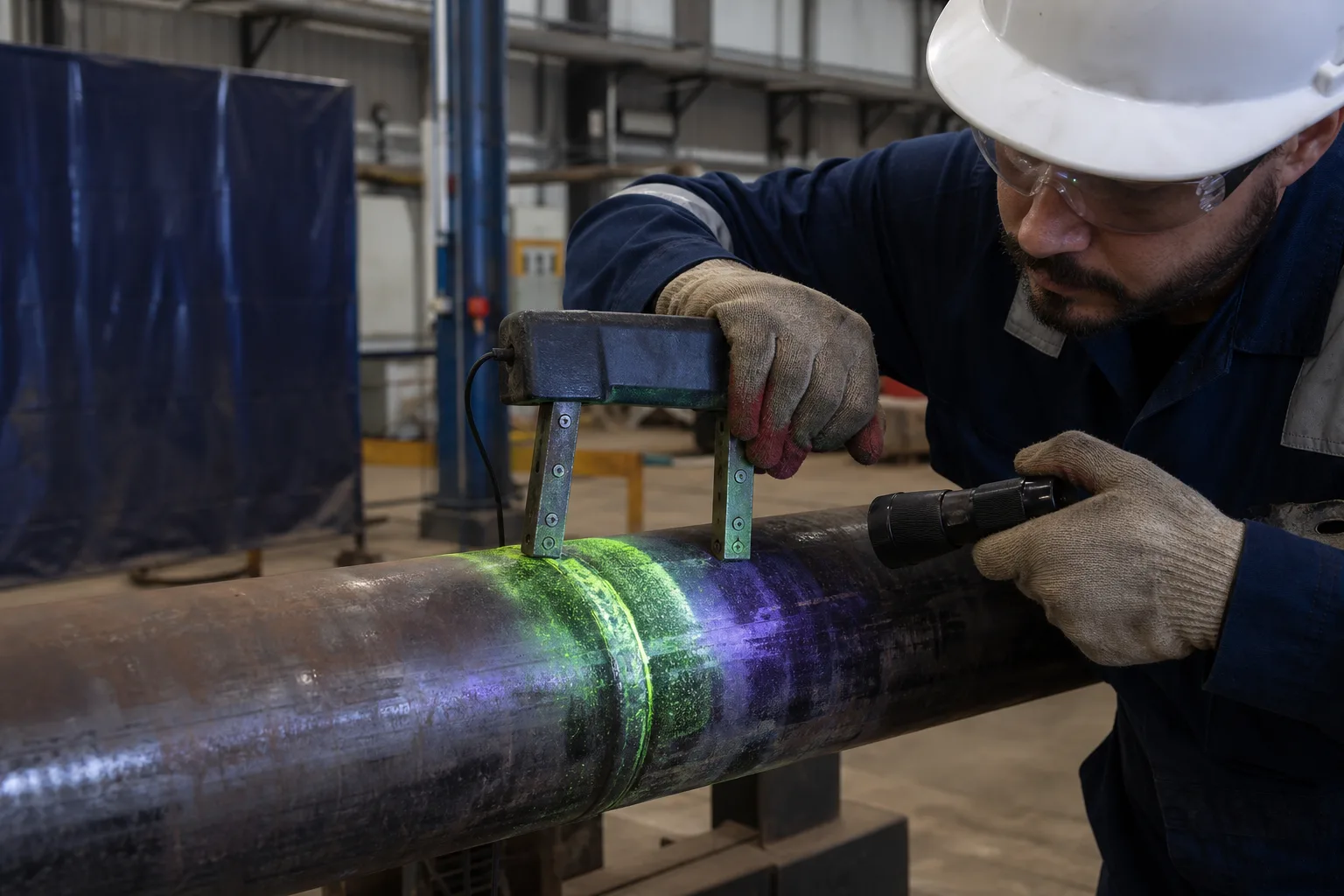
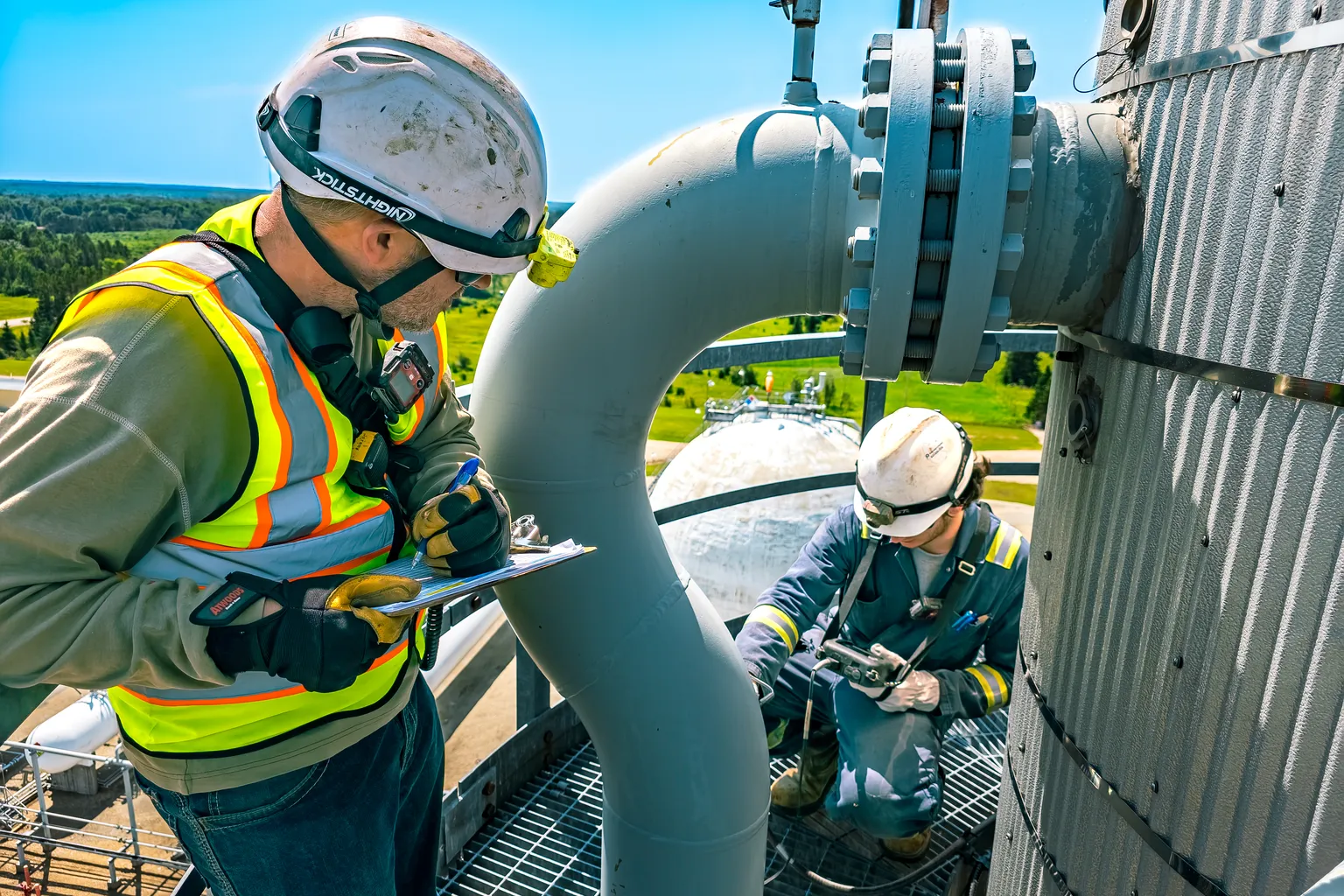
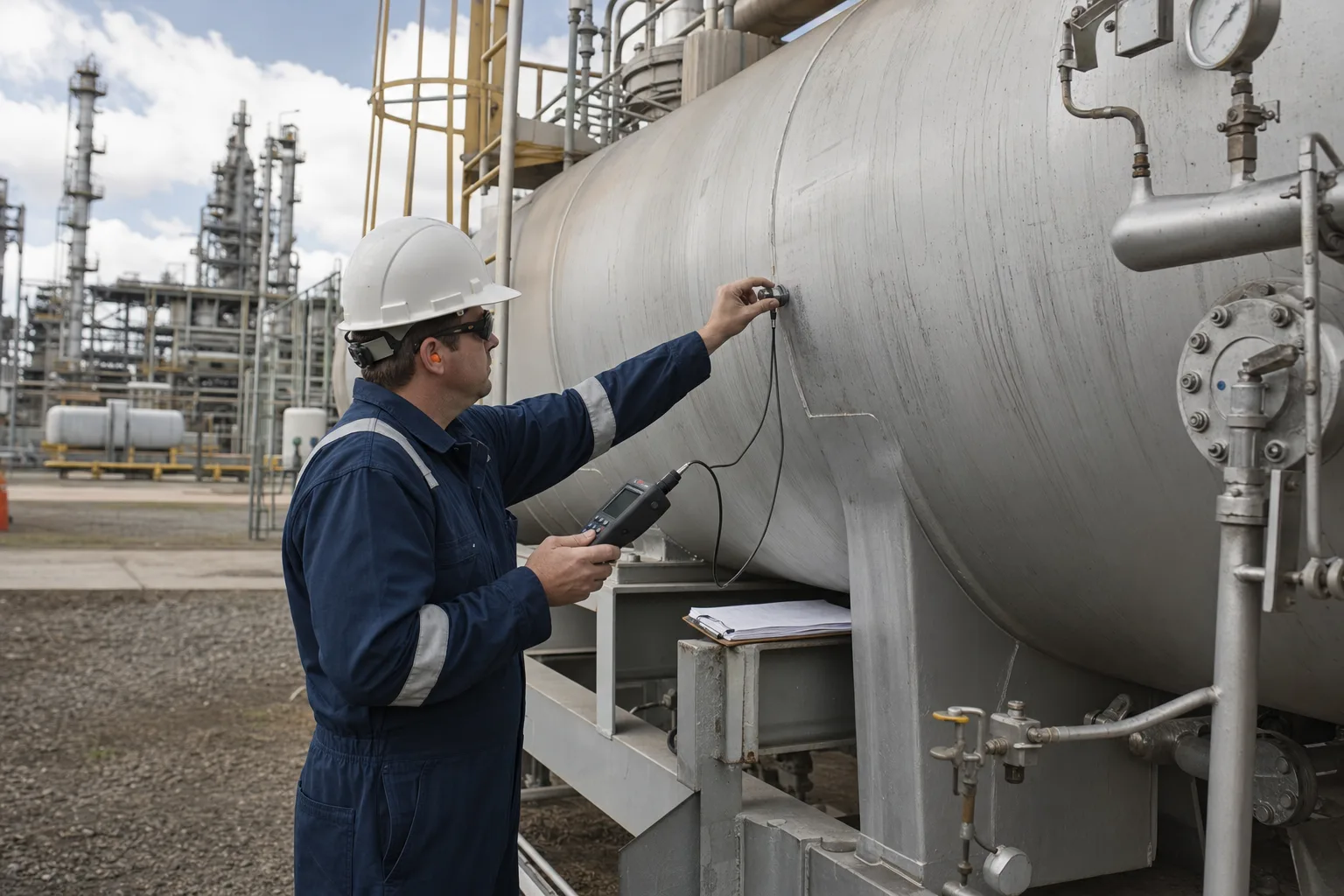
Technicians and calibrated equipment deploy to the shop or field location with procedures confirmed in advance.
Examinations are performed per written procedure across the welds or components identified in scope.
Findings are evaluated against the applicable code or client acceptance criteria.
Results are documented and delivered so your team can disposition and move forward.
Every conventional method we offer is backed by ASNT-certified technicians, written procedures aligned to ASME Section V and API 1104, and reporting your integrity team can disposition without chasing follow-up.
Radiographic testing — film, computed radiography (CR), and digital radiography (DR) — produces permanent or digital records of weld and component integrity. Penetrant and magnetic particle testing detect surface-breaking defects. Ultrasonic testing measures thickness and maps corrosion. Visual testing confirms fit-up and surface condition. Vacuum box leak detection lives under Mechanical Integrity.
For high-throughput pipeline construction requiring real-time radiography, automated ultrasonic testing, or X-ray crawlers, see our High-Capacity Pipeline NDT service line.
SIS performs radiographic testing (conventional film, computed radiography, and digital radiography), penetrant testing, magnetic particle testing, ultrasonic thickness testing, and visual testing — all to written procedures aligned to API 1104 and ASME Section V.
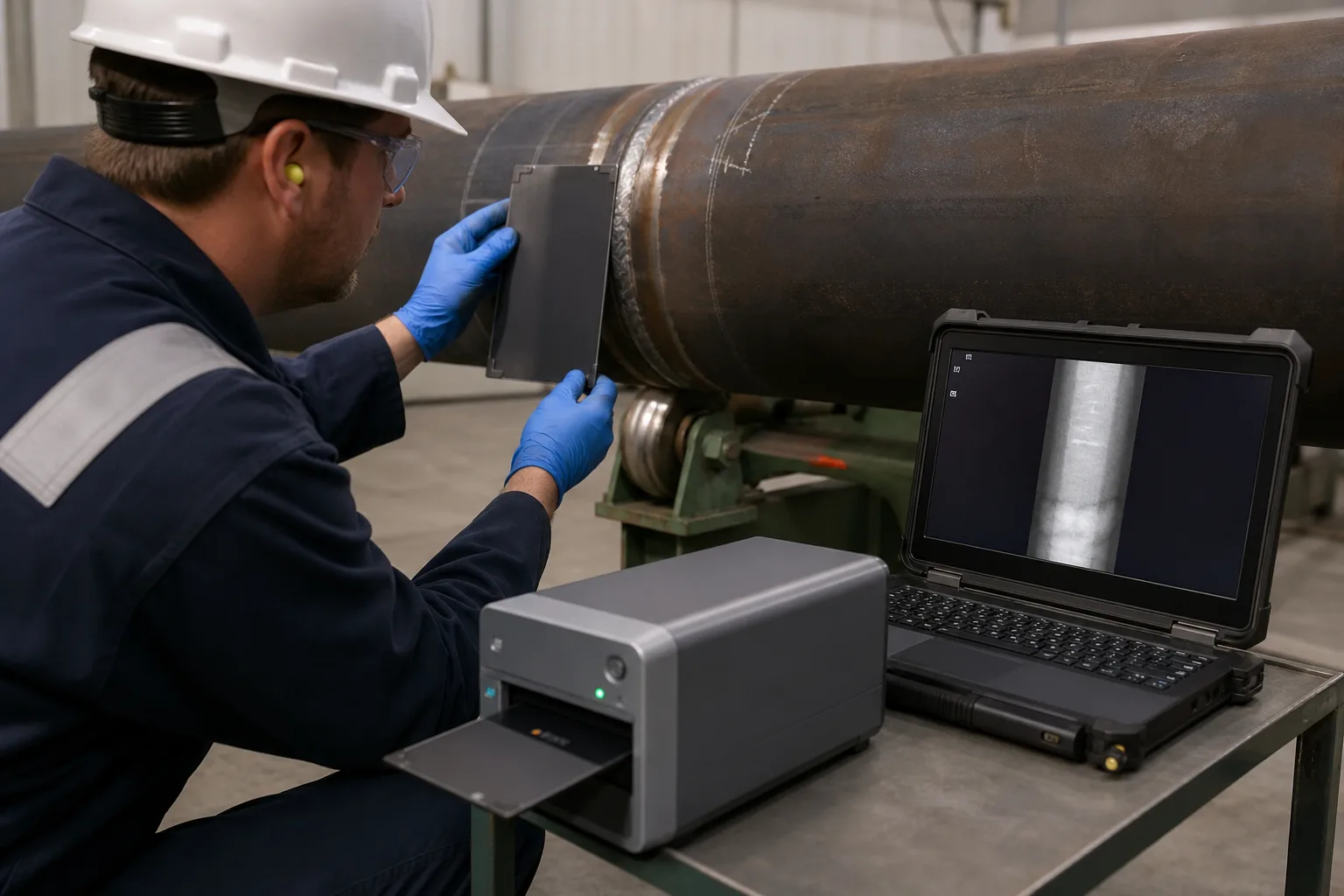
Conventional film RT uses gamma or X-ray sources with mobile darkroom processing to produce permanent film records. Computed radiography (CR) uses reusable imaging plates with digital image archives and field-flexible exposure setups. Digital radiography (DR) uses direct digital detector panels for immediate image review and electronic record retention.
Conventional NDT examinations are performed to API 1104, ASME Section V, and AWS D1.1 acceptance standards, by technicians certified under ASNT SNT-TC-1A.
Each scope ships with method-specific inspection reports, radiographic images and weld maps, thickness and corrosion mapping data, and disposition-ready documentation packages your integrity team can act on.
Yes. For high-throughput pipeline construction requiring real-time radiography, automated ultrasonic testing, or X-ray crawlers, SIS runs a dedicated High-Capacity Pipeline NDT service line with cloud reporting and remote Level III audit capability.
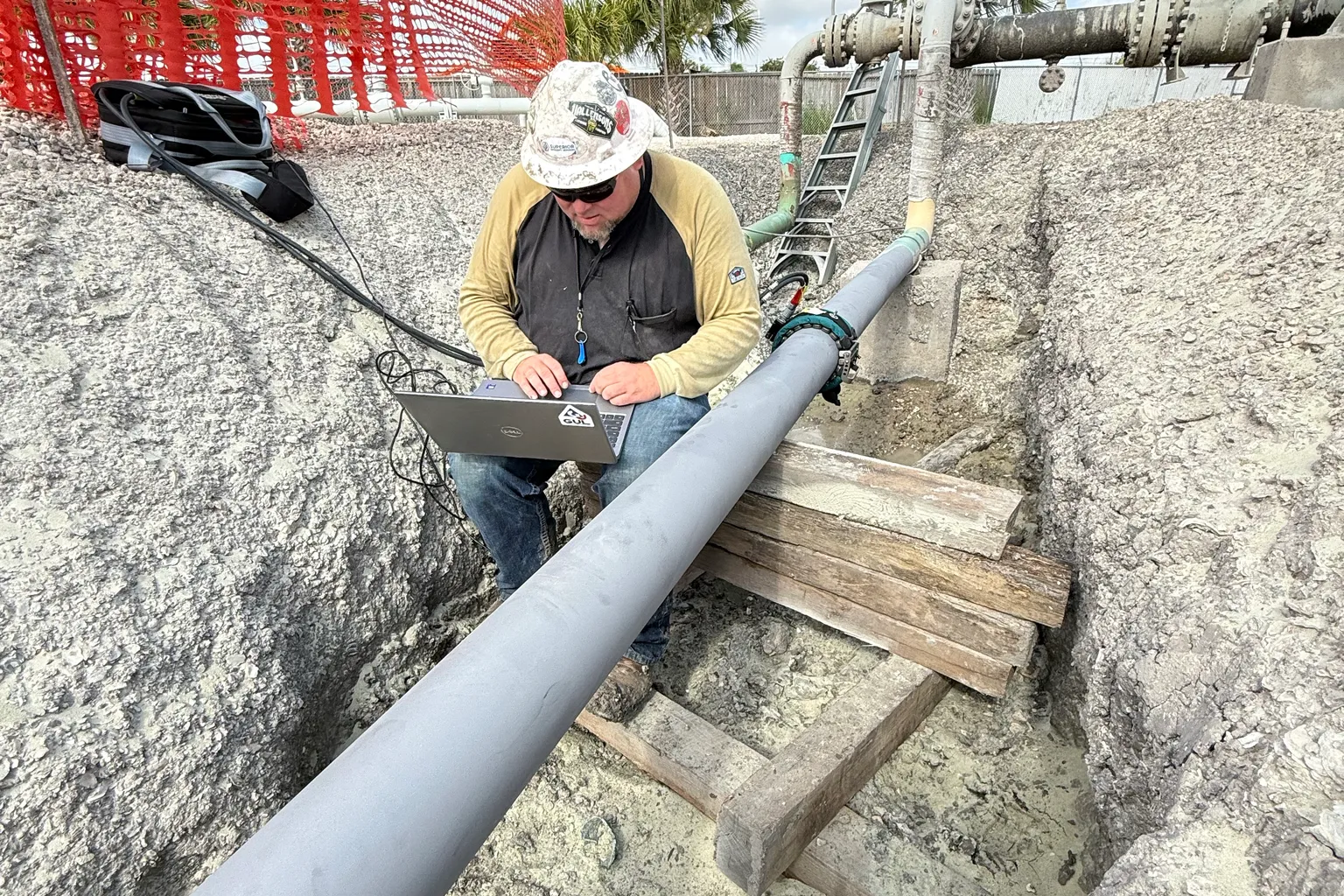
Phased array, time-of-flight diffraction, guided shearwave, corrosion mapping, PMI, eddy current, and laser scanning for complex inspection programs requiring advanced ultrasonic and electromagnetic techniques.
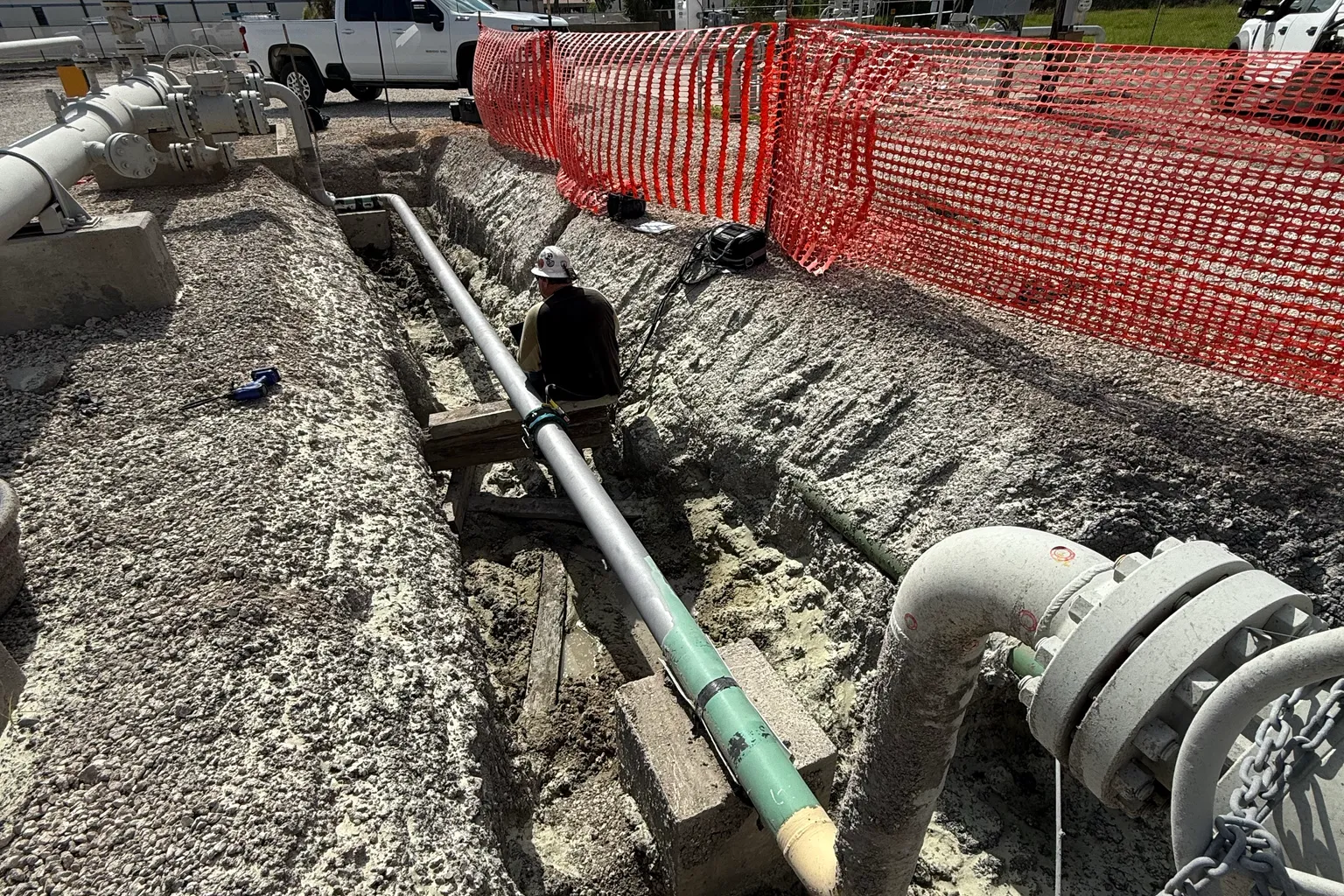
Coating weld inspection, hardness and strength testing, and direct assessment programs for transmission and distribution pipeline systems.
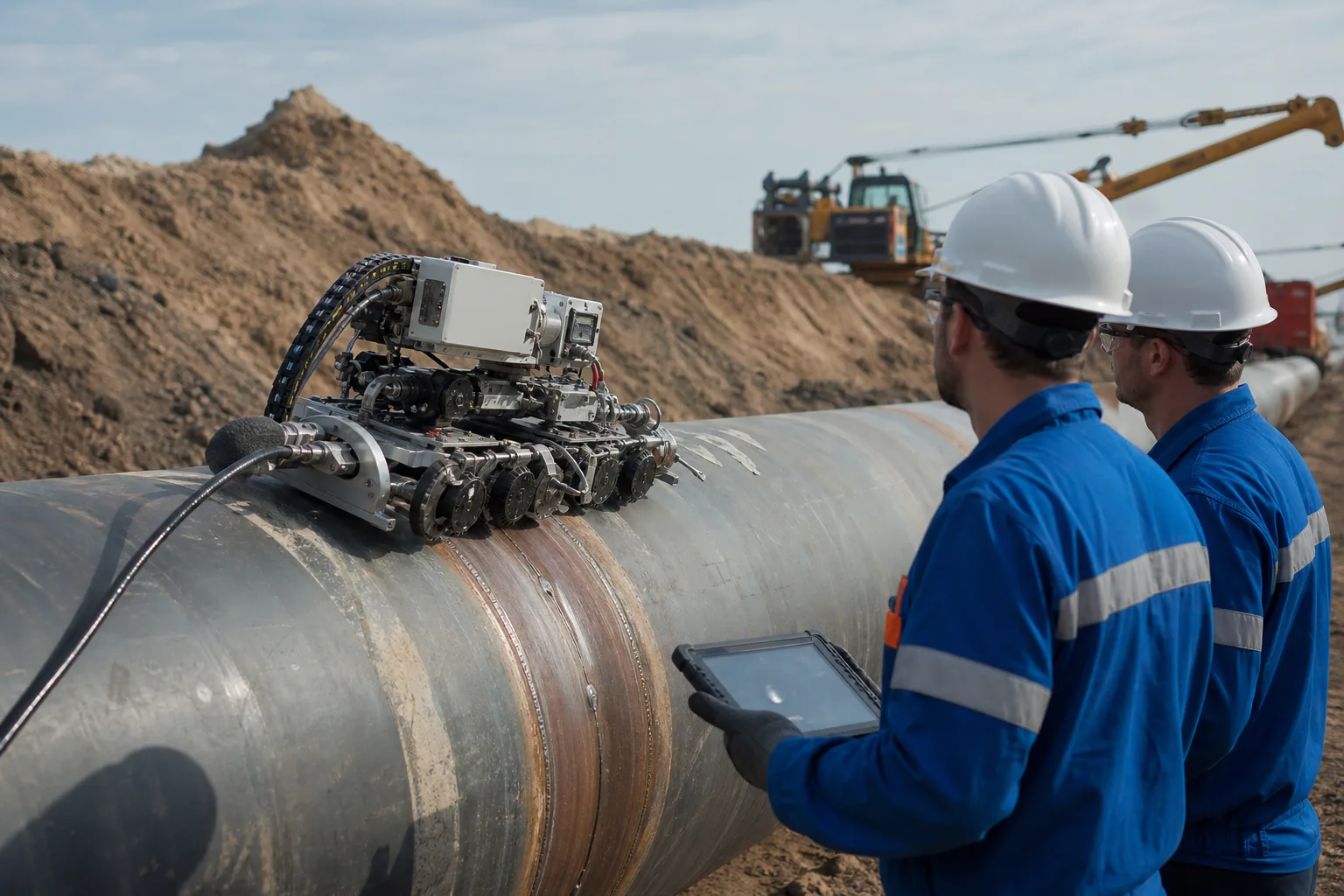
Advanced automated inspection technologies for large-diameter and high-volume pipeline work, with cloud sharing and remote audit capability.
Tell us what you need inspected, where, and by when. We'll reply with scope and availability, usually same business day.